As we age, we often encounter the problem of constipation because our digestive and excretory systems may function less effectively. It may be caused by many factors such as physical deterioration, lifestyle, health problems. The problem of constipation in the elderly is a common problem.
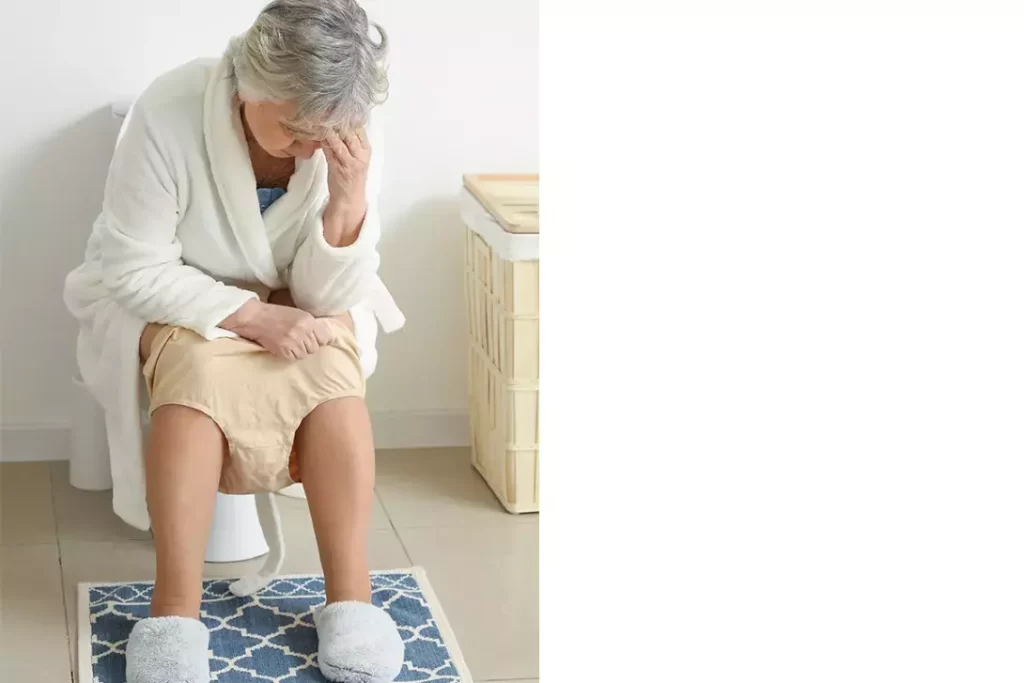
Which to restore the digestive system of the elderly to normal, the caregiver or family member must first understand the problem and the source of the cause, which can be divided as follows:
Age: As people age, their appetite naturally decreases, causing them to eat less, which affects their digestive system. Gastric juices become less acidic, and the intestines move more slowly, causing them to bloate, have indigestion, and become constipated more easily than people of other ages.
Holding in feces: Elderly people who hold in feces mostly have problems with movement, have difficulty standing up and sitting down เว็บพนันออนไลน์ UFABET สมัครง่าย โปรโมชั่นมากมาย, so they choose to hold in feces. When they hold in once, it means postponing the time they should have a bowel movement.
Therefore, the next time they should have a bowel movement, they do not have a bowel movement. This results in feces remaining in the colon, causing waste to accumulate in the intestines, making them feel uncomfortable and difficult to defecate. Moreover, when they have a bowel movement, the feces also have a strong smell.
Eating less: not eating enough of the five food groups, especially lack of protein, makes you feel tired, move your body less, have less muscle, causing your intestines to contract less. And if you don’t eat enough fiber, it will affect your intestines’ function.
In addition, most elderly people do not like to eat vegetables and fruits. Causing the body to not receive enough nutrients with fiber. The intestines do not have stimulants to stimulate bowel movements. Making it difficult to defecate because the stool is hard and lumpy.
Drinking less: Water Water is very important, especially for the elderly. Not drinking enough water can affect the body’s balance, including causing dehydration and constipation. Drinking water according to the correct principles is no less than 8 glasses per day.
However, in some elderly people, drinking this amount of water may cause frequent urination. So they choose not to drink water or drink an amount lower than the standard. Which is not enough for the body’s needs, resulting in no or inconvenient bowel movements.